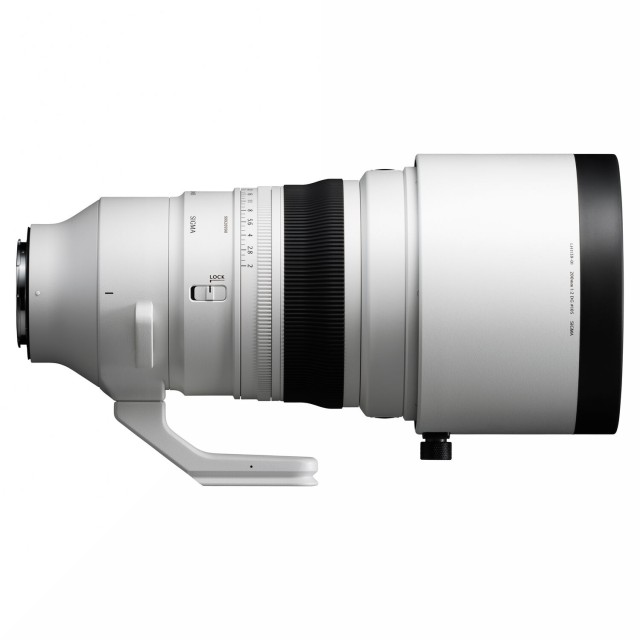
 Sigma 200mm F2 DG OS Sports is the latest fullframe lens from the manufacturer
Kudos to Sigma for bringing a legendary focal length and aperture combination from the DSLR ear to the mirrorless world with the Sigma 200mm F2 DG OS Sports. Honestly, I think Sigma has been on fire lately. Just look at what they’ve put out in the past couple of years: the full-frame 28-45mm F1.8 DG DN Art, the 300-600mm f4 DG OS Sports, and the APS-C 17-40mm f1.8 DC Art. These are bold moves, targeting niches most manufacturers either ignore or don’t dare to enter.
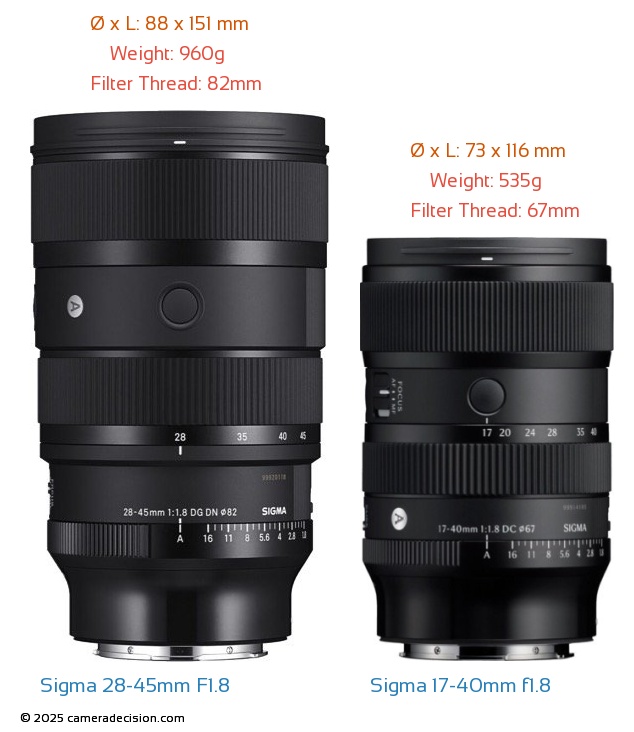 Sigma 28-45mm F1.8 vs Sigma 17-40mm f1.8 Lenses
The 200mm F2.0 is exactly the kind of lens that gets enthusiasts like me excited. Who wouldn’t want to shoot portraits or sports with that kind of compression and buttery bokeh? If I were shooting L-mount, this would be an absolute no-brainer. But since I’m invested in Sony E-mount, things get more complicated. Sony users simply have more options, and one of the most compelling is the Sony FE 50-150mm F2 GM.
 Sigma 200mm F2 vs Sony FE 50-150mm F2
On paper, it might look like a close call, but let’s be honest: the thought of 200mm at F2.0 is almost irresistible. The first reviews confirm that Sigma nailed it here, with tack-sharp performance even wide open. Still, I have to step back from the emotional side of this and look at the practical pros and cons.
Sigma 200mm F2.0 Pros compared to Sony 50–150mm F2 GM
-
Longer reach: 200mm vs 150mm
-
Optical Image Stabilization (All recent Sony FF cameras have IBIS so this shouldn't be a big advantage in real life)
-
Lower price: $3,299 vs $3,899
Sigma 200mm F2.0 Cons compared to Sony 50–150mm F2 GM
-
Less versatile: prime vs zoom (and no teleconverter support on E-mount makes this worse)
-
Heavier: 1,800g vs 1,340g
-
Longer minimum focusing distance: 1.7m vs 0.4m
-
Lower maximum magnification: 0.13x vs 0.20x
-
Larger filter thread: 105mm vs 95mm
-
Continuous shooting speed limit on Sony cameras like the A1 II and A9 III (15fps vs no limit with the 50–150mm GM)
-
Lens hood design: Sigma uses a knob-style lock, while the Sony has a quicker bayonet mount. The Sony’s hood also includes a filter window, which the Sigma lacks.
Looking at that list, Sigma clearly racks up more cons than pros. But this is not just about counting numbers. A few key points really decide it for me.
The first is versatility. The Sony covers everything from a normal focal length to mid-telephoto, which makes it useful for countless scenarios. In comparison, the Sigma is locked at 200mm, which feels limiting, and that versatility gap easily outweighs the price difference in my book.
The second is weight. When I am choosing between two lenses that are otherwise close, I almost always lean toward the lighter option. The Sony saves nearly half a kilogram, and trust me, you feel that difference after a day of shooting.
The third is minimum focusing distance, which many people overlook. For me, the Sigma’s 1.7m MFD is a dealbreaker. Add to that the disappointing 0.13x magnification, and the creative flexibility drops even more. The Sony’s 0.4m MFD and 0.20x magnification make it far more fun and versatile in real-world use.
Now, to be fair, if Sigma had supported teleconverters on E-mount, this would have been a much harder choice. Imagine having a 280mm F2.8 or a 400mm F4 options with the converters. L-mount shooters, you’re the lucky ones here.
In the end, as much as I admire the Sigma 200mm F2.0, the Sony 50-150mm F2 GM just fits my shooting style and needs far better. And yet, I can’t help but dream a little. If money and practicality weren’t an issue, I would absolutely love to have both. The Sony would be my everyday workhorse, while the Sigma would come out for those special moments when you just want that unmistakable 200mm F2 look. Sometimes logic wins, but the dreamer in me still wants it all!
| FEATURE and SPECS COMPARISON | |  |  |
| Model | Sigma 200mm F2 DG | Sony FE 50-150mm F2 |
| Lens Type | Prime | Zoom |
| Lens Mount | Sony E | Sony E |
| Focal Length | 200mm | 50-150mm |
| Max Format | 35mm FF | 35mm FF |
| Image Stabilization | | |
| Number of Diaphragm Blades | 11 | 11 |
| Optical Elements | 19 | 19 |
| Optical Groups | 14 | 17 |
| Minimum Focus Distance | 1.7m | 0.4m |
| Max Magnification | 0.13x | 0.2x |
| Weight | 1800g | 1340g |
| Length | 201mm | 200mm |
| Diameter | 119mm | 103mm |
| Filter Thread | 105mm | 95mm |
| Weather Sealing | | |
| Aperture Ring | | |
| Price | Amazon, B&H Photo | Amazon, B&H Photo |
