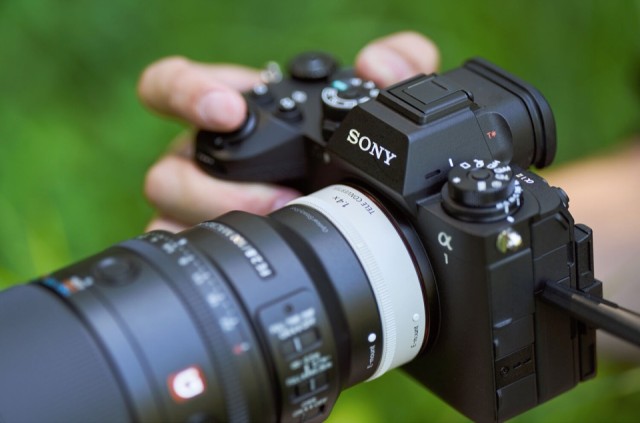
 Sony 100mm F2.8 GM Macro with the 1.4x Teleconverter
The new Sony FE 100mm F2.8 Macro GM replaces the decade-old FE 90mm F2.8 G (Compare) and is, in my view, a leading contender for the best autofocus macro lens released for mirrorless cameras. The headline features are the native 1.4x maximum magnification and full compatibility with both 1.4x and 2.0x teleconverters, which expands close-up options far beyond the typical 1.0x macro. Sony also packed in its latest drive and stabilization tech, including linear motors for precise focusing and macro-tuned optical stabilization for steadier handheld shots, at least on paper. There is a tradeoff. The new lens is physically larger than the 90mm it replaces. It is not wildly oversized compared to rival systems such as the Canon RF 100mm F2.8L Macro IS USM and the Nikkor Z MC 105mm F2.8 VR S , though the Panasonic Lumix S 100mm F2.8 Macro for L-mount cameras stands out as an outlier for how compact it is relative to its capabilities. I still find myself wondering how Panasonic managed that packaging trick.
Check the size comparison below to see the differences in real terms, then continue with the full specifications and feature breakdown of these four lenses. The side-by-side details should make it easier to decide if you want to commit to the ultimate macro machine or if one of the other options fits your needs better.
(click on the image for a larger version)
 Sony FE 100mm F2.8 Macro vs Canon RF 100mm F2.8L Macro IS vs Nikon Z 105mm F2.8 VR S vs Panasonic S 100mm F2.8 Macro
Now let's see how the equation change when we add in the cameras for each lens:
 Sony FE 100mm F2.8 Macro Size Comparison with competition, this time with the cameras
TIP: Find the interactive version of this comparison at our Size Comparison Tool Page
The image speaks for itself. The Panasonic is clearly smaller and lighter than the others. The only real strike is not about the lens itself, but the L-mount ecosystem, which still lacks the depth and breadth of competitive camera bodies you find in Sony, Canon, and Nikon systems. Below is a full specifications comparison of the four lenses for a deeper look.
